Multi-Tier Deck Designs: Unlock Your Outdoor Space's Full Potential
Multi-tiered deck configurations provide an effective approach to maximizing exterior living areas. They create separate areas for various activities, from dining to lounging. Such designs work well with sloped or irregular ground and enhance the visual appeal of a property. With a range of materials available, homeowners can achieve a balance of style and durability. The advantages go well beyond visual appeal, prompting a closer look at how these designs can transform outdoor living. What opportunities lie ahead?
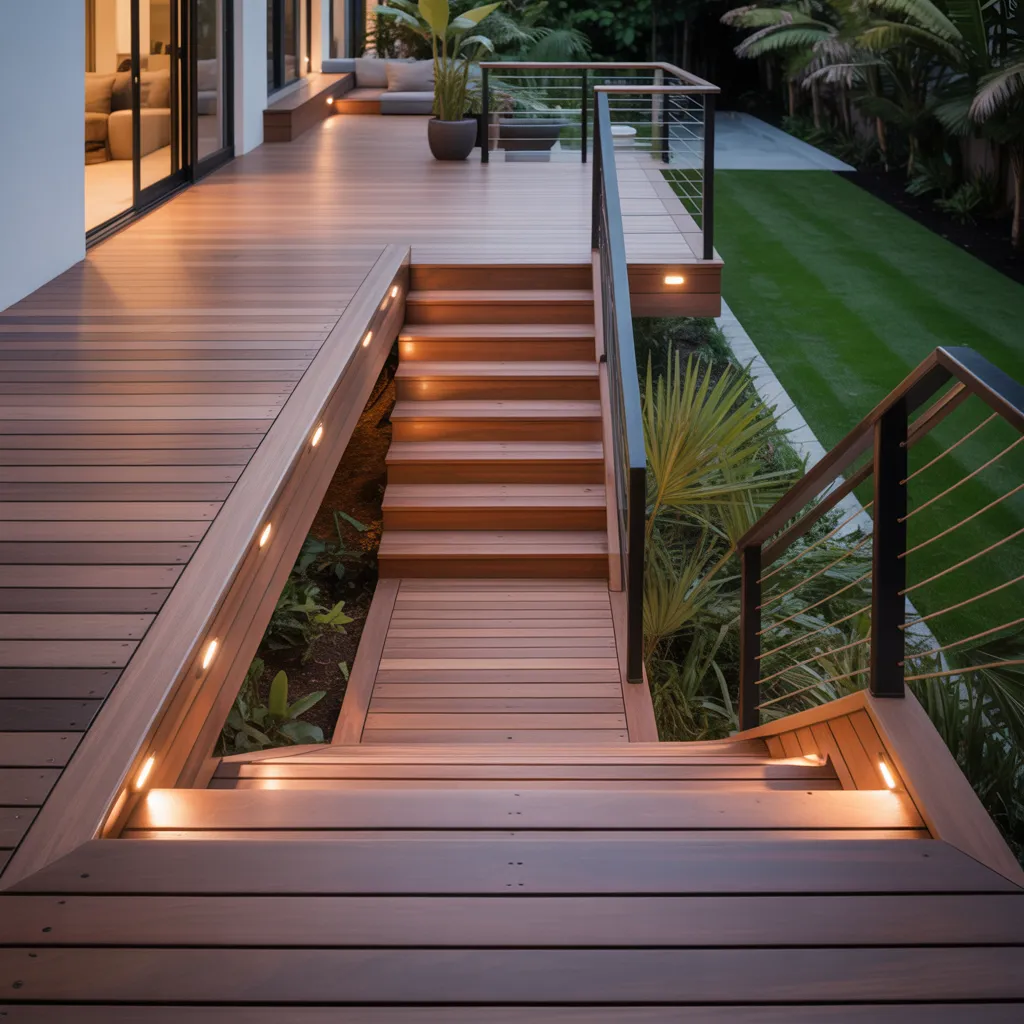
Why Multi-Level Decks Are Worth Considering
When homeowners aim to upgrade their exterior living space, multi-level decks frequently stand out as an attractive choice. These installations present a remarkable ability to develop dedicated spaces for multiple purposes, facilitating a more efficient and versatile outdoor space. By incorporating different levels, homeowners can easily designate areas for dining, lounging, or gardening, rendering the area flexible for a variety of purposes.
Moreover, multi-level decks can improve the aesthetic appeal of a home, providing an eye-catching quality through multiple elevations and configurations. This planning method can also effectively optimize scenic outlooks, establishing attractive gathering spaces for rest or social gatherings.
Furthermore, they are able to handle challenging topographies, allowing homeowners to maximize the potential of sloped or uneven surfaces. Ultimately, multi-level decks represent a modern approach for homeowners seeking to enhance their outdoor living options while improving both functionality and design.
Top 5 Benefits of Multi-Level Decks
Multi-level decks offer numerous benefits that can substantially elevate outdoor environments. First, they create dedicated spaces for a variety of uses, such as dining, relaxing, or entertaining, enabling homeowners to make the most of their outdoor spaces. Additionally, the elevation can improve views and natural light, fostering a more appealing outdoor setting. In addition, multi-level designs can accommodate sloped yards, turning problematic yards into practical outdoor spaces. Fourth, they can boost home value, making homes more appealing to potential buyers. To conclude, the flexibility of multi-level decks enables imaginative design possibilities, such as incorporating garden features, seating areas, or fire pits, which can further enhance the aesthetic appeal. Together, these advantages create a highly functional, visually appealing, and enjoyable exterior space, establishing tiered decks as a preferred option for homeowners aiming to get the most out of their exterior living spaces.
Best Materials for Your Deck
Choosing the right materials for a deck is critical, as it significantly affects both longevity and appearance. Typical selections include wood, composite, and PVC. Real wood, such as cedar or redwood, offers a traditional look but demands regular upkeep to avoid rot and warping. Composite options, made from a combination of plastic and wood fibers, offer a combination of aesthetics and durability, preventing fading and splintering.
PVC decking represents another long-lasting choice, featuring a broad variety of colors and styles while proving fully resistant to moisture and insects.
In choosing decking materials, one must also take into account sustainability; eco-friendly choices can reduce the impact on the environment. Ultimately, the decision of material for your deck should reflect the property owner's budget, lifestyle, and aesthetic preferences, guaranteeing a long-lasting and visually appealing outdoor environment.
Creating Relaxation and Entertainment Zones
In multi-level deck designs, establishing separate relaxation and entertainment areas elevates outdoor living enjoyment. Purpose-built lounge zones offer a peaceful retreat for relaxation, while versatile dining spaces accommodate gatherings and meals. Careful consideration of these areas optimizes comfort and practicality.
Designated Lounge Areas
Establishing dedicated lounge spaces within multi-level decks converts outdoor areas into welcoming sanctuaries for relaxation and entertainment. These areas can include cozy seating, soft lighting, and ornamental accents that elevate the visual appeal. By thoughtfully arranging furniture, such as plush sofas, chaise lounges, and hammocks, property owners can establish personal spaces that foster connection or peaceful relaxation.
Incorporating elements like fire pits or water elements can further elevate the environment, creating comfort and serenity. Additionally, careful landscape design around these zones can offer a private and secluded atmosphere from surrounding areas. In summary, purposeful lounging spaces serve as essential components in multi-level deck designs, presenting adaptable spaces for relaxing and connecting with the outdoors.
Adaptable Dining Spaces
Thoughtfully positioning dining areas across various levels establishes unique atmospheres, encouraging relaxation and social interaction. Using durable, weather-resistant materials guarantees longevity while maintaining visual appeal. Additionally, integrating lighting options, such as string lights or lanterns, enhances the ambiance for evening gatherings. Ultimately, these thoughtfully designed dining find details about spaces transform outdoor environments into multifunctional retreats, fostering connection and enjoyment among family and friends.
Landscaping Ideas to Enhance Your Deck
Transforming a multi-level deck can turn it into a flourishing outdoor space. Incorporating vertical plant arrangements, ornamental planter boxes, and soft lighting arrangements creates aesthetic appeal and practicality. These landscaping ideas not only enhance the appearance of the space but also elevate the overall experience of enjoying the deck.
Vertical Garden Installations
Vertical garden setups can significantly enhance deck environments, providing both visual charm and practical advantages. These innovative vertical gardens utilize wall-affixed planters or trellises, permitting homeowners to nurture a variety of plants without giving up valuable ground space. This creative method not only improves the visual appeal of a deck but also supports a healthier setting by enhancing air quality. Moreover, vertical gardens can act as organic privacy shields, fostering a more secluded outdoor atmosphere. Their flexibility enables the integration of herbs, flowers, or even vegetables, catering to personal tastes and gardening goals. By incorporating these setups, homeowners can cultivate a rich, appealing ambiance that transforms the overall feel of their multi-level deck arrangement.
Stylish Decorative Planter Boxes
Adding decorative planters into a multi-tiered deck can greatly enhance the exterior living area, complementing the lush greenery from vertical garden installations. These planters provide both functional and aesthetic purposes, generating visual variety at different levels. Offered in a range of materials, such as wood, metal, or ceramic, they can be adapted to suit the deck's aesthetic. Placing them strategically—along railings, steps, or corners—maximizes space while enhancing the overall ambiance. Moreover, incorporating seasonal blooms or evergreen plants provides lasting seasonal charm. Planter boxes may further be utilized to section off zones, guiding movement and creating intimate settings for unwinding or hosting guests. Ultimately, they support a harmonious blend of greenery and structure within the multilevel deck setting.
Atmospheric Lighting Solutions
As a multi-level deck creates a breathtaking visual appeal, carefully chosen lighting solutions are vital in turning the space into a charming after-dark haven. Strategically placed LED lights along the railings or integrated into steps enhance safety while creating a soft glow. Overhead string lights can bring a delightful ambiance, making them perfect for entertaining guests. Solar-powered lanterns positioned around the deck's perimeter offer energy-efficient illumination, complementing the natural surroundings. Furthermore, recessed fixtures in integrated seating spaces encourage unwinding beneath the night sky. By combining multiple lighting solutions, homeowners can establish a comfortable setting that prolongs the enjoyment of their outdoor living space, turning it into a treasured gathering spot for family and friends long after the sun goes down.
Optimizing Safety and Accessibility on Your Deck
To guarantee an accessible and secure outdoor space, thoughtful planning and design elements are critical for multi-level decks. Installing non-slip surfaces is important, especially in areas prone to moisture. Handrails should be installed on all levels, ensuring they meet local building codes for height and strength. Moreover, ramps can enhance accessibility for people with limited mobility, providing a smoother shift between levels.
Thoughtfully positioned landings can serve as rest areas, simplifying movement across the deck. Wide pathways foster movement, providing room for wheelchairs and strollers. It is additionally recommended to minimize sharp corners and protruding elements to lower the likelihood of injuries.
Emergency egress must be a top priority, with unobstructed routes leading to exit points. Periodic maintenance evaluations are able to help uncover potential hazards, such as loose boards or weakened handrails. By prioritizing accessibility and safety, multi-level decks have the potential to become enjoyable spaces for people of all abilities.
Lighting and Add-Ons for Multi-Level Decks
Enhancing the ambiance and functionality of stacked deck structures is possible with well-considered lighting options and décor. Appropriate light fixtures not only improves visibility during evening hours but also cultivates an enchanting outdoor setting. Choices including string lights, recessed stair lighting, and lanterns work to showcase structural details while delivering brightness. Solar-driven light fixtures offer eco-friendly solutions, guaranteeing energy efficiency without sacrificing style.
Alongside lighting, accessories serve a vital function in personalizing the space. Consider incorporating outdoor rugs, cushions, and decorative planters to bring warmth and visual charm. Weather-proof materials ensure durability, while rich colors can breathe life into the area. Fire pits or tabletop heaters can extend usability into cooler evenings, providing warmth and a gathering point. With deliberate selection of lighting and finishing touches, homeowners can convert their multi-level decks into functional, inviting areas for relaxation and entertainment.
Captivating Multi-Level Deck Ideas for Your Outdoor Space
A growing number of homeowners are learning about the perks of tiered outdoor decks, which offer a distinctive combination of practicality and visual charm. A popular approach is to create distinct zones for eating, unwinding, and planting, creating opportunities for diverse outdoor enjoyment. A tiered design can seamlessly integrate a jacuzzi on the upper tier, while bottom levels can feature comfortable seating areas bordered by vibrant greenery.
Including integrated planter boxes and seating areas can make the most of space and improve the overall aesthetic. Another creative approach includes using various material combinations, such as wood and composite decking, to define each level visually.
For those with scenic views, thoughtfully installing a scenic overlook can create a perfect spot for rest and enjoyment. Moreover, incorporating a fireplace feature on a bottom tier can cultivate an inviting setting for nighttime get-togethers. These design elements not only elevate the outdoor experience but also greatly enhance the home's worth.

Frequently Asked Questions
What Is the Best Way to Maintain a Multi-Level Deck Long-Term?
To preserve a multi-tiered deck long-term, conduct routine inspections for damage, thoroughly clean the surfaces, apply weatherproof sealants, guarantee proper drainage, and resolve structural issues without delay. Routine maintenance increases the deck's longevity and keeps it looking its best.
Which Permits Are Required for Building a Multi-Level Deck?
To construct a multilevel deck, one typically needs permits for building work, electrical work, and potentially zoning. Building codes vary by location, so reaching out to your local building department ensures compliance with structural and safety requirements.
Am I Able to Install a Hot Tub on My Multi-Level Deck?
That's correct, a hot tub can be installed to a multi-level deck. Nevertheless, the load-bearing capacity must be assessed, and local codes and necessary permits should be followed to guarantee compliance and safety throughout the installation process.
What Costs Are Involved in Building a Multi-Level Deck?
The costs associated with multi-level deck construction generally fall between $15 to $30 per square foot, influenced by materials, design complexity, and labor. Extra costs can come from permits, utilities, and landscaping considerations.
How Do I Choose the Right Contractor for My Deck Project?
Choosing the ideal contractor includes researching credentials, assessing completed projects, obtaining multiple quotes, and contacting references. Clear communication and a solid understanding of project requirements are also essential for a successful working relationship and project completion.